Why Wavelength and Skin Strategy Matter More Than Power
You’ve evolved — but your skin still carries the past
You’re ready to let go — but after sessions with a Pico laser, stubborn colour still remains.
If this sounds familiar, you’re not alone.
Many of our clients come to MorphIUs after “finishing” Pico treatments — with ink still left behind.
Here’s what most people don’t realise:
Tattoo removal isn’t about having the most power. It’s about having the right tools — and the right strategy.
Technology Alone Isn’t Enough
Yes, picosecond lasers deliver ultra-short bursts of energy. That sounds impressive — and it can be, in the right context.
But here’s what truly matters:
Wavelength compatibility with your tattoo pigments
Skin preparation and safety
Multimodal strategies that treat both the ink and the skin
Pico systems often fall short when it comes to coloured tattoos and complex skin presentations. Many lack the wavelengths needed for full-spectrum clearance — and none include fractionated laser pre-treatment, which is vital for safe, efficient ink release.
The Process Demystified: Our FracTatt + Multicolour Advantage
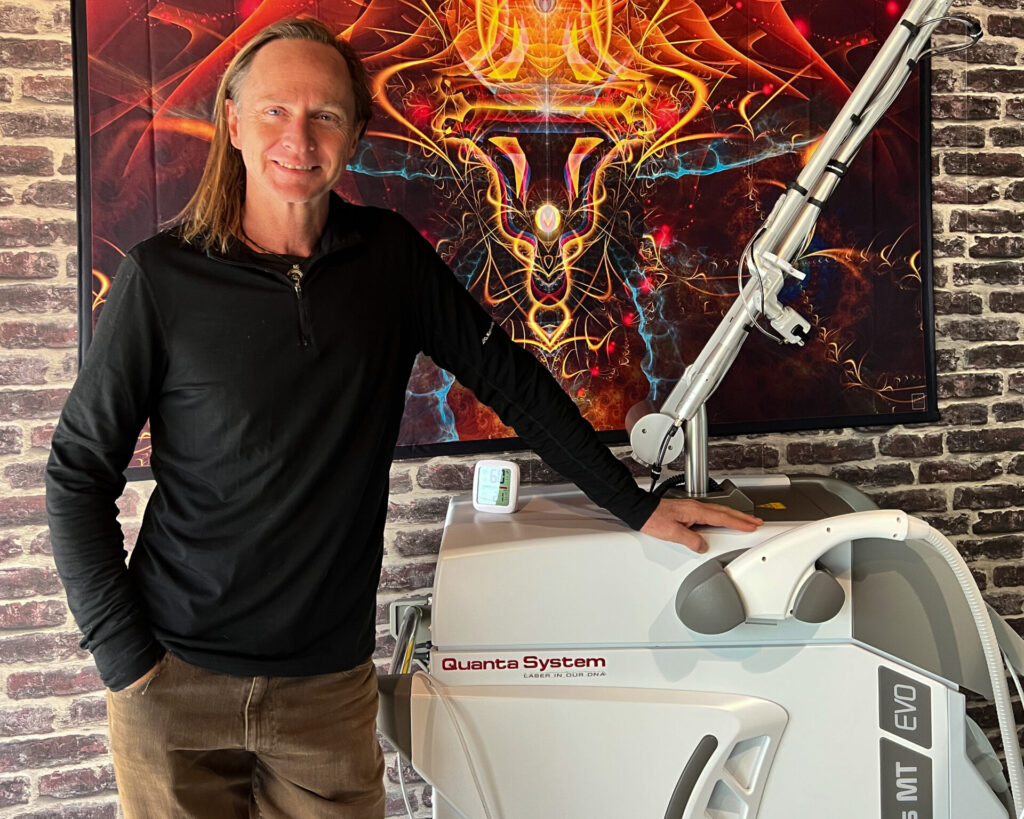
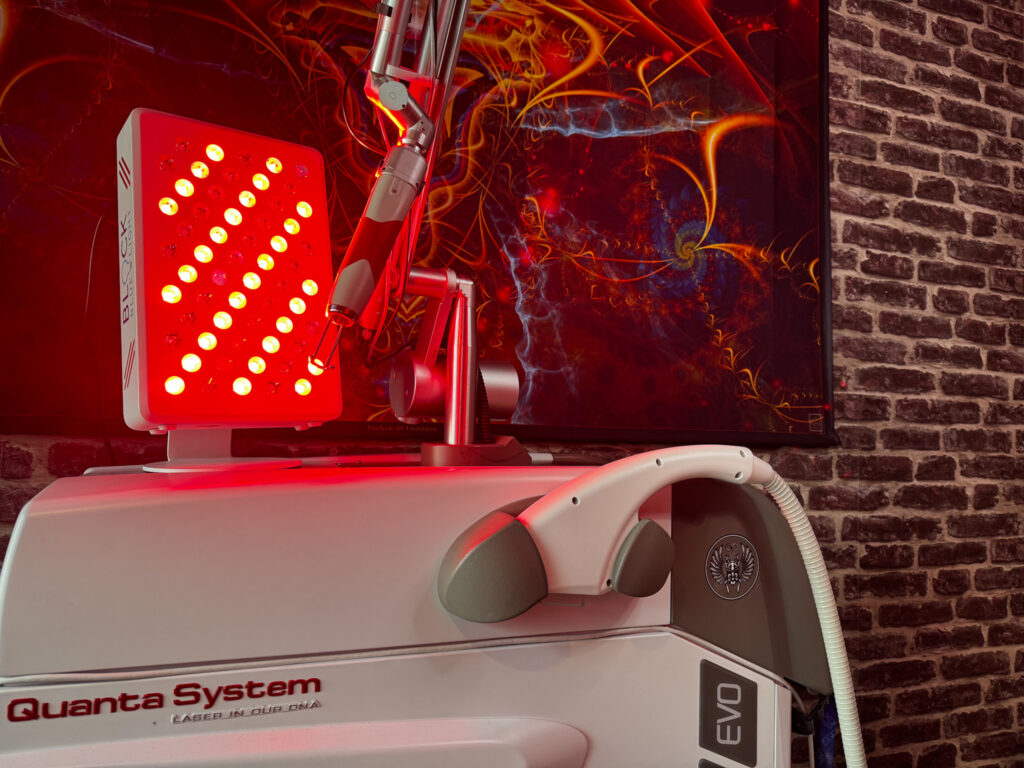
At MorphIUs, we use the Quanta Q-Plus C MT EVO — a medical-grade nanosecond laser with three true wavelengths and non-ablative fractionated capability.
What makes our approach superior:
Three Native Wavelengths
1064 nm — for black and dark ink
532 nm — for red, orange, yellow
694 nm (ruby) — for green, blue, and resistant pigments
Unlike most Pico systems (which usually only offer 755 nm), we treat the full spectrum of ink with precision.
FracTatt Pre-Treatment
Before each session, we use fractional laser to create micro-channels in the skin. This does two critical things:
Releases ink trapped deep within the dermis
Allows the skin to vent heat and pressure, reducing trauma and the risk of scarring
The result? Faster clearance with fewer treatments — and healthier skin along the way.
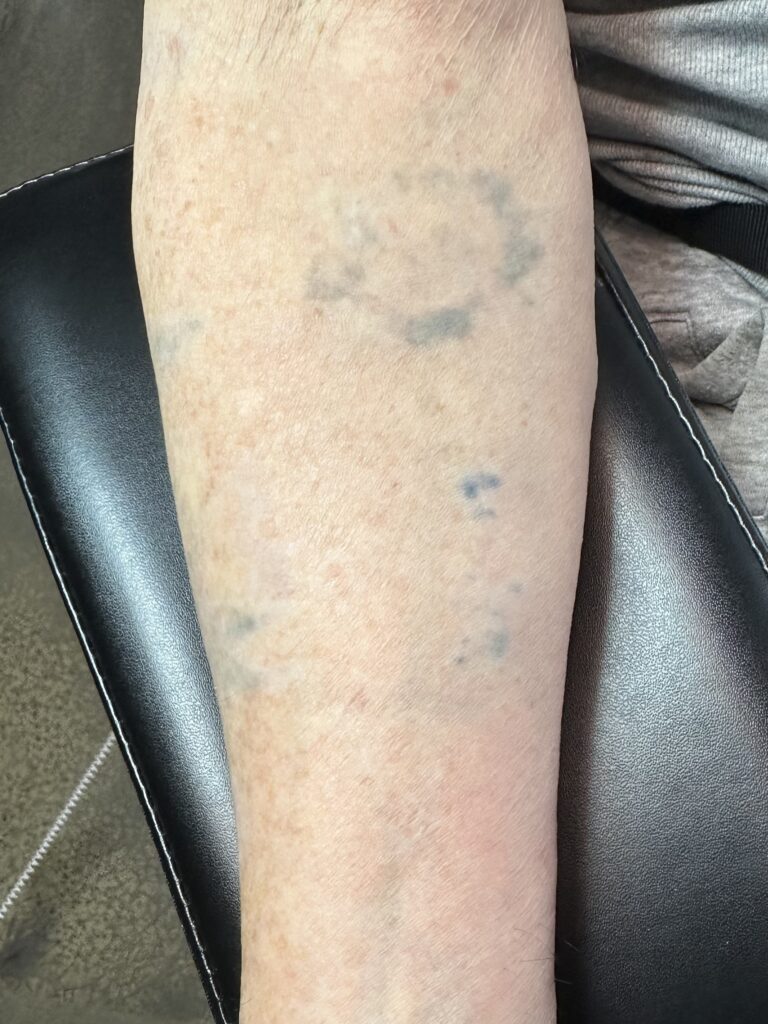
Hello Bruce, all good, to be honest the skin looks more healthy after the treatment.
Felipe
Laser Tattoo Removal
Our clients often arrive frustrated. They’ve done the work, spent the money, sat through the pain — and their tattoo still lingers.
What they find at MorphIUs is not just better tech — it’s a smarter method. A method that considers:
The physics of pigment interaction
The biology of your skin
The psychology of release and renewal
Whether it’s green ink ghosting, patchy red lines, or overheated tissue from overzealous sessions elsewhere, we gently and strategically guide your skin through the final stages of letting go.
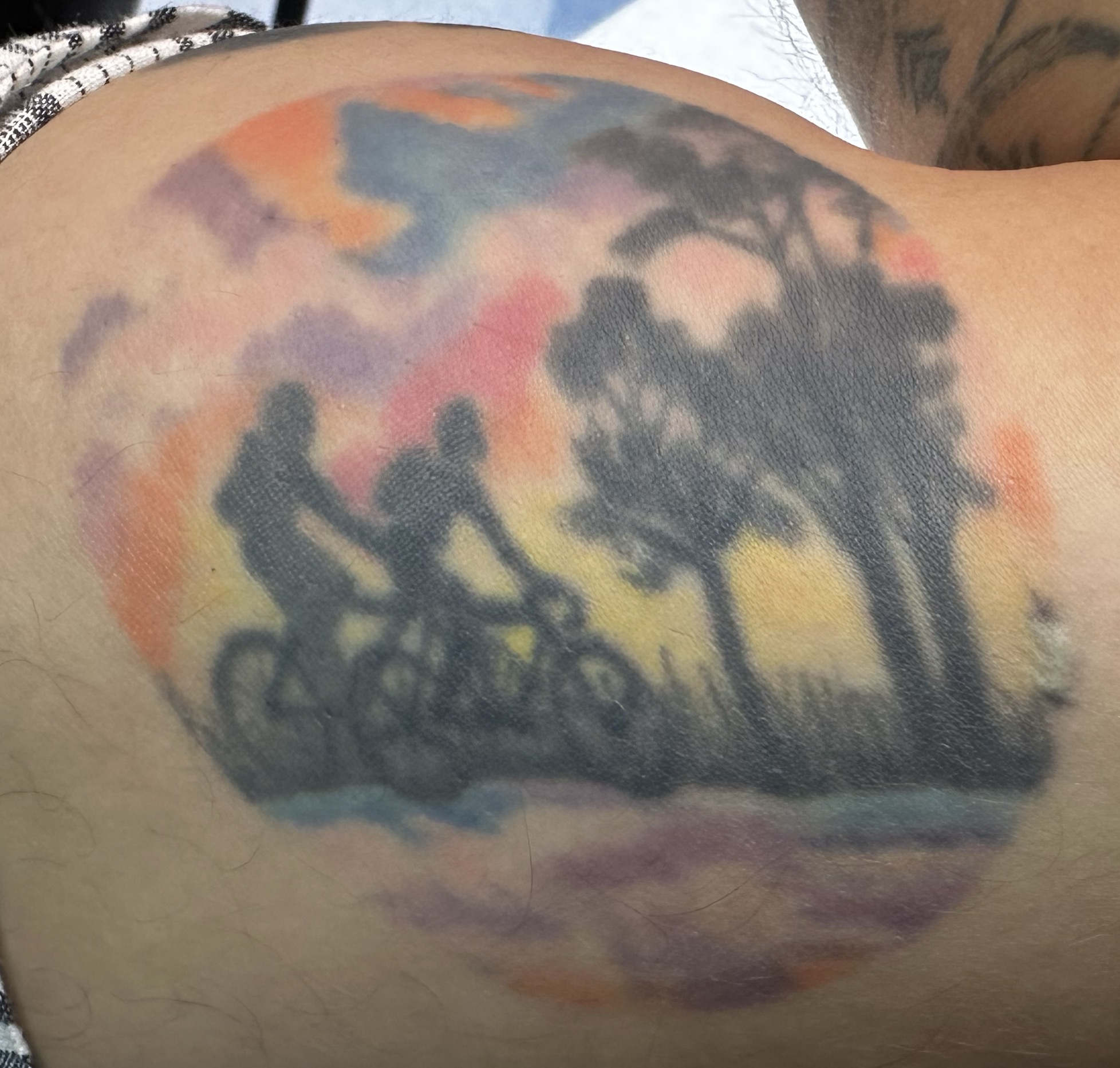
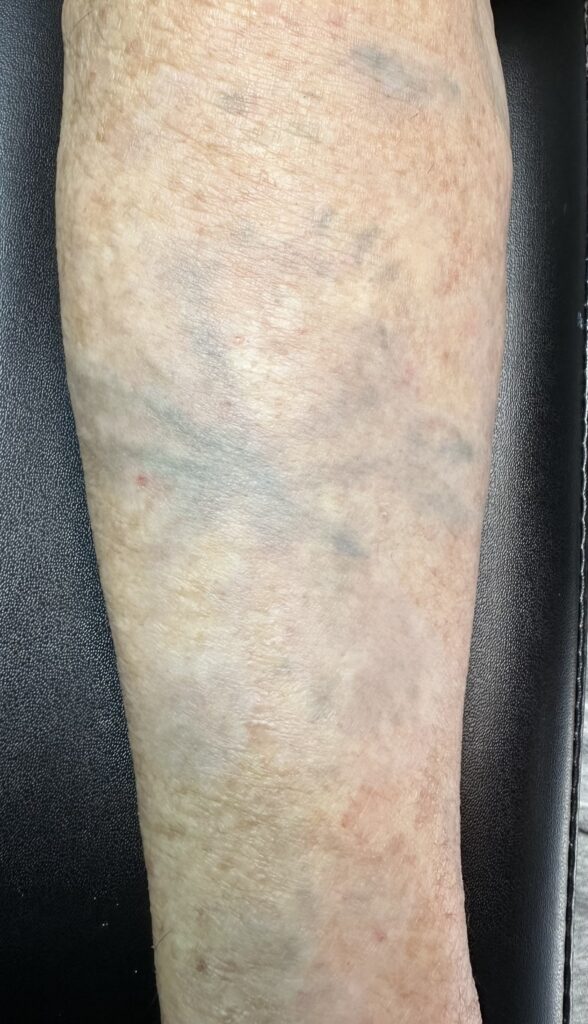
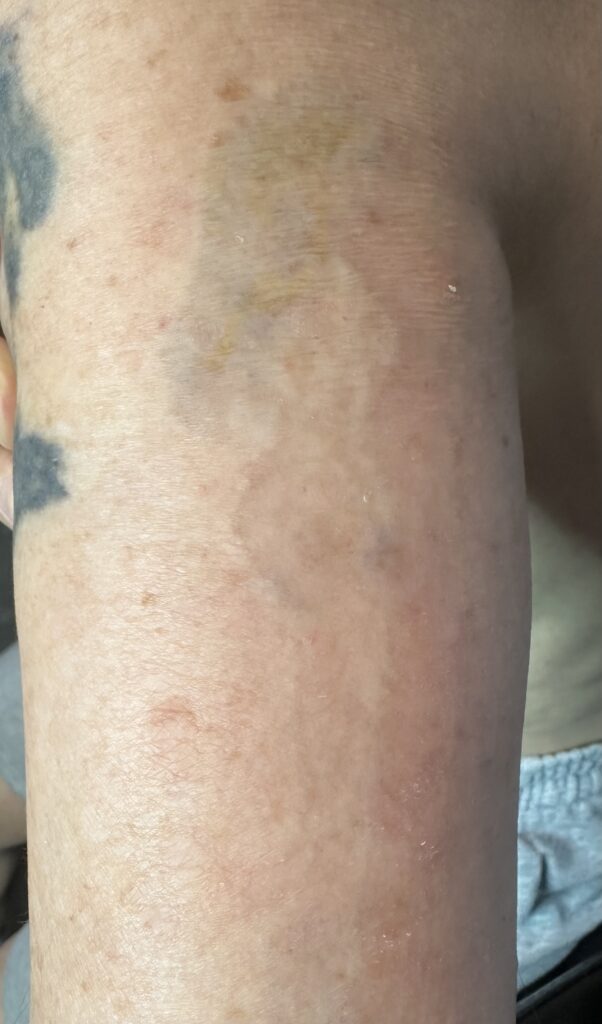
This client came to MorphIUs after undergoing 15 sessions with a Pico laser at another clinic. While some progress had been made, significant ink residue remained — particularly in blue and green pigments — along with visible skin trauma and textural changes from over-treatment.
These images show:
Persistent colour ghosting, especially in areas where wavelength mismatch likely occurred
Scarring and dermal thickening, signs that the skin barrier had been compromised
A lack of uniform fading, pointing to inconsistent pigment targeting
At MorphIUs, we approached this skin with care and precision. In the first session we used fractionated laser not to remove the ink, but to first restore the skin.
In subsequent treatments we used our 694 nm ruby laser, combined with FracTatt pre-treatment to safely target the remaining pigments — while supporting skin healing and regeneration.
This is the difference between a machine and a method.
Our work is not just about removing ink. It’s about respecting the skin, restoring its health, and completing the client’s transformation with skill, safety, and soul.
If you’ve tried Pico and still see colour, don’t give up
You’re not finished. You’re just ready for the right tool and the right team.
Book your Morphogenesis consultation today, and let’s complete what you started — safely, strategically, and soulfully.
Tattoo removal is more than skin deep. It’s an act of release.
To support your skin and system, we recommend pairing your Metamorphosis sessions with our Triniti Treatment biohacking recovery stack— Dry Float, Red Light Therapy, and Molecular Hydrogen — to accelerate healing and help your body clear ink more efficiently.
Explore our laser skin rejuvenation and tattoo removal services. Learn more about each treatment and how they can support your transformation journey using the Nine Pillars as your compass.